Two permanent halls
in one city.
Almost no living artist anywhere is given one. He has two, and a third body of work standing in gardens and on hillsides where anybody can walk up to it.
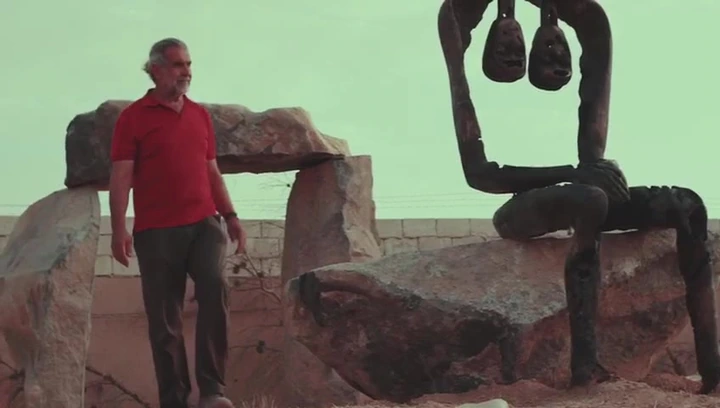
The only moving image on this site. Documentary footage from the artist’s own archive, published with his permission. Not generated, and shown at the resolution it exists at.
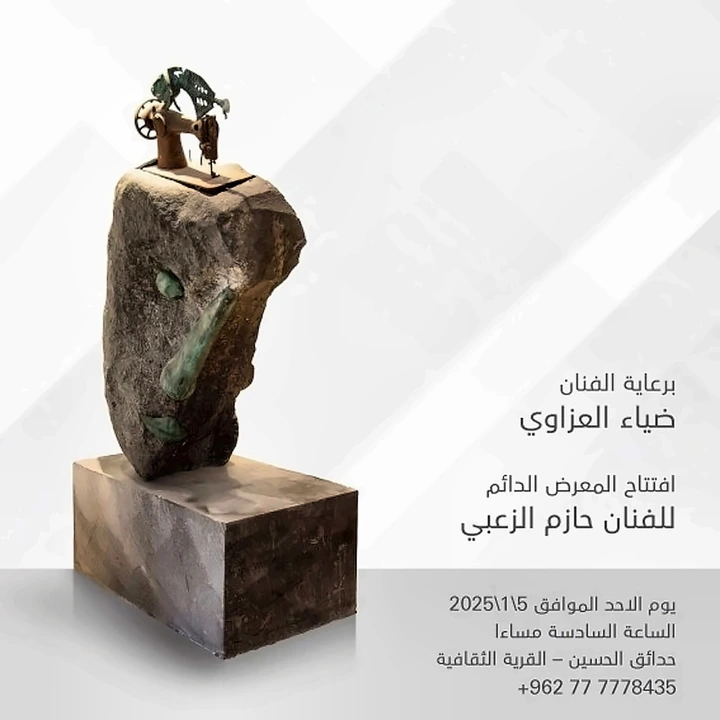
Al-Hussein Gardens Cultural Village.
The invitation carries a line above his own name: برعاية الفنان ضياء العزاوي — under the patronage of the artist Dia al-Azzawi. Azzawi is the most significant living Arab artist. He put his name on the door.
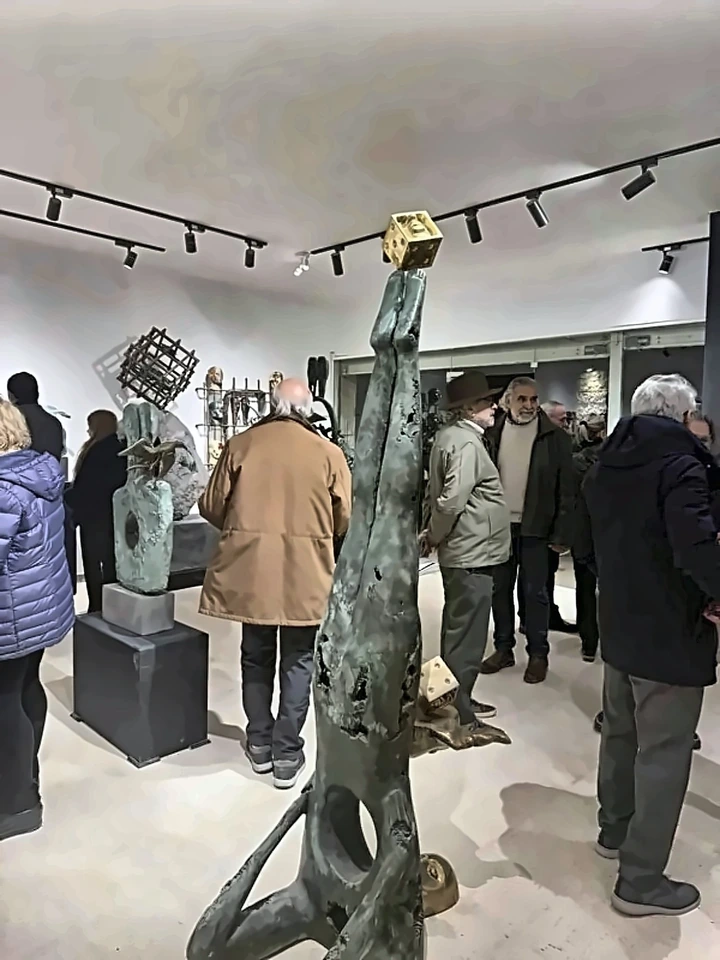
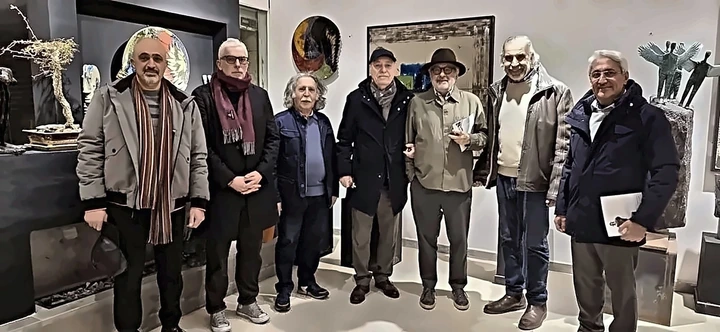
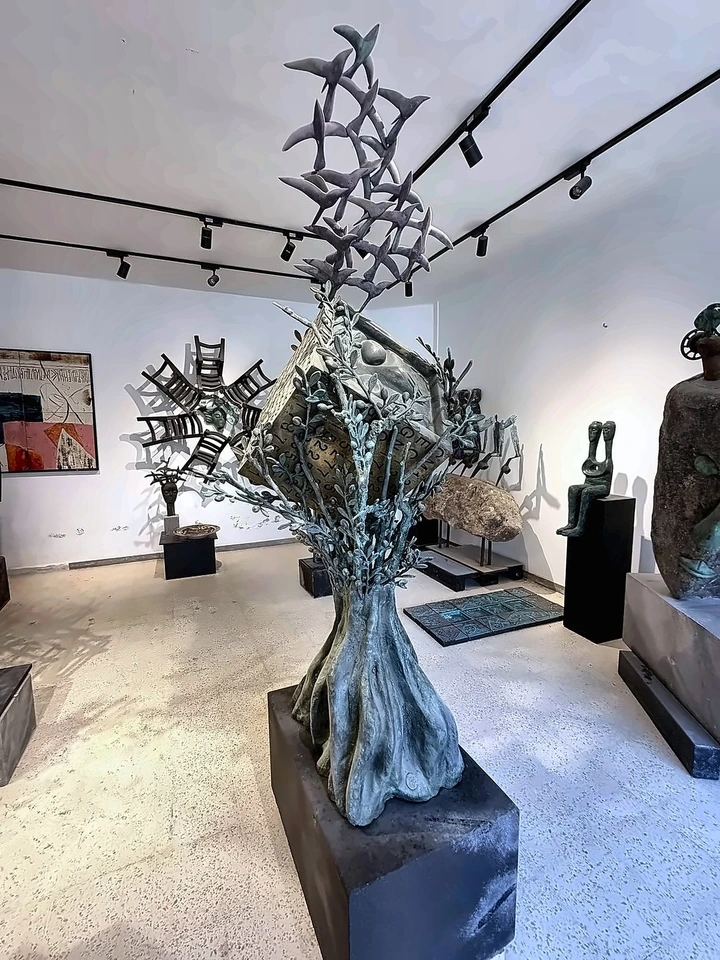
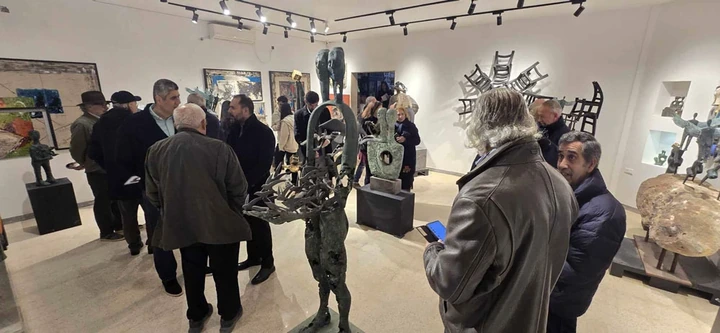
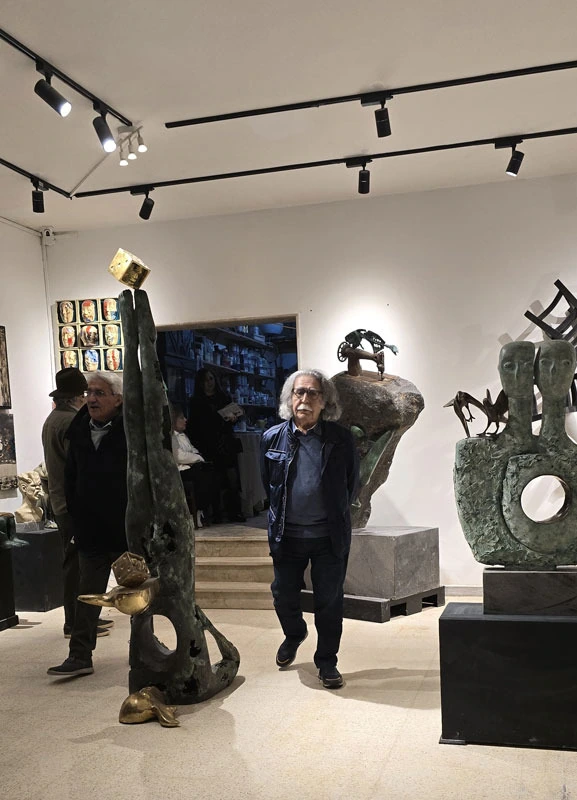
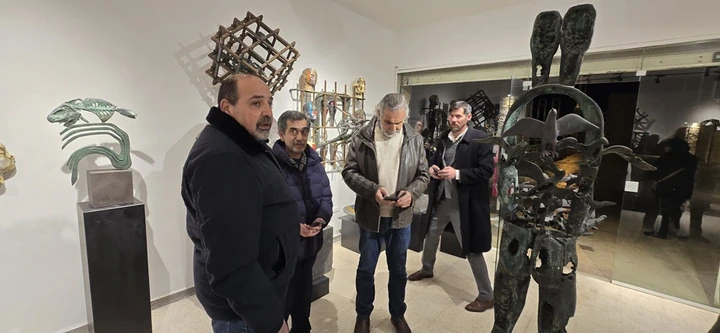
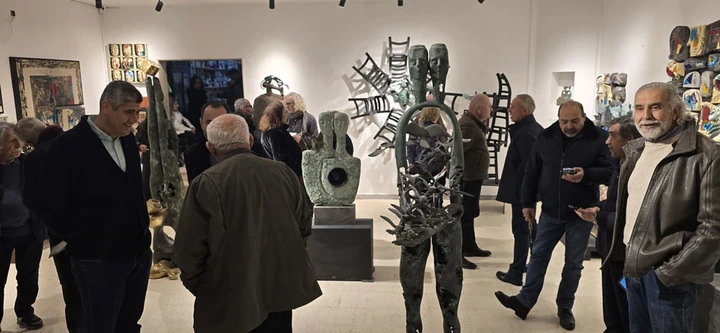
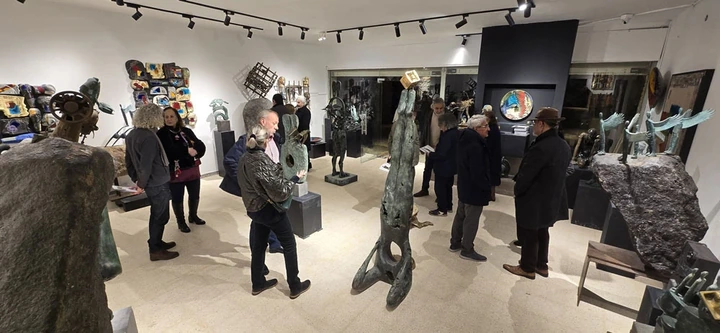
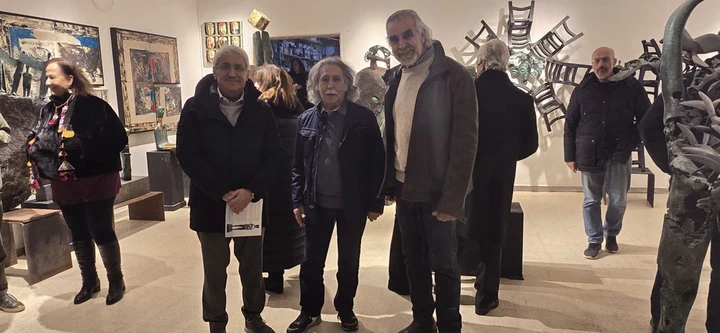
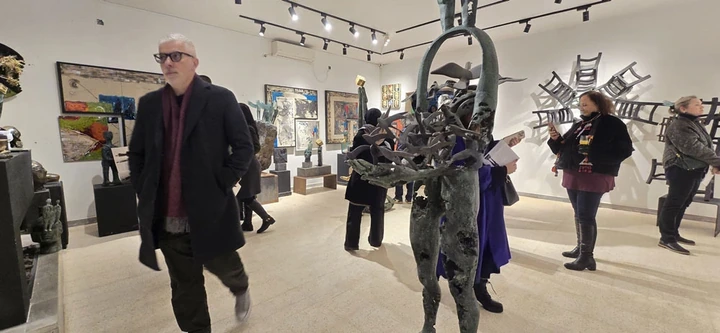
Select any photograph to view it in full. Original framing and resolution are preserved.
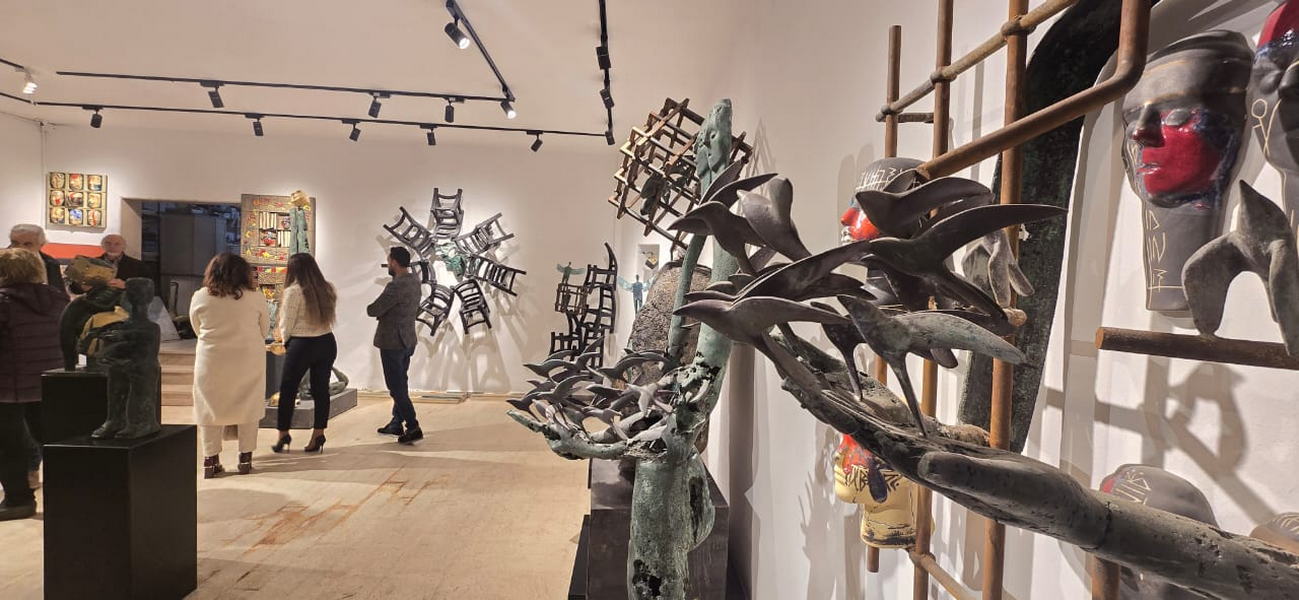
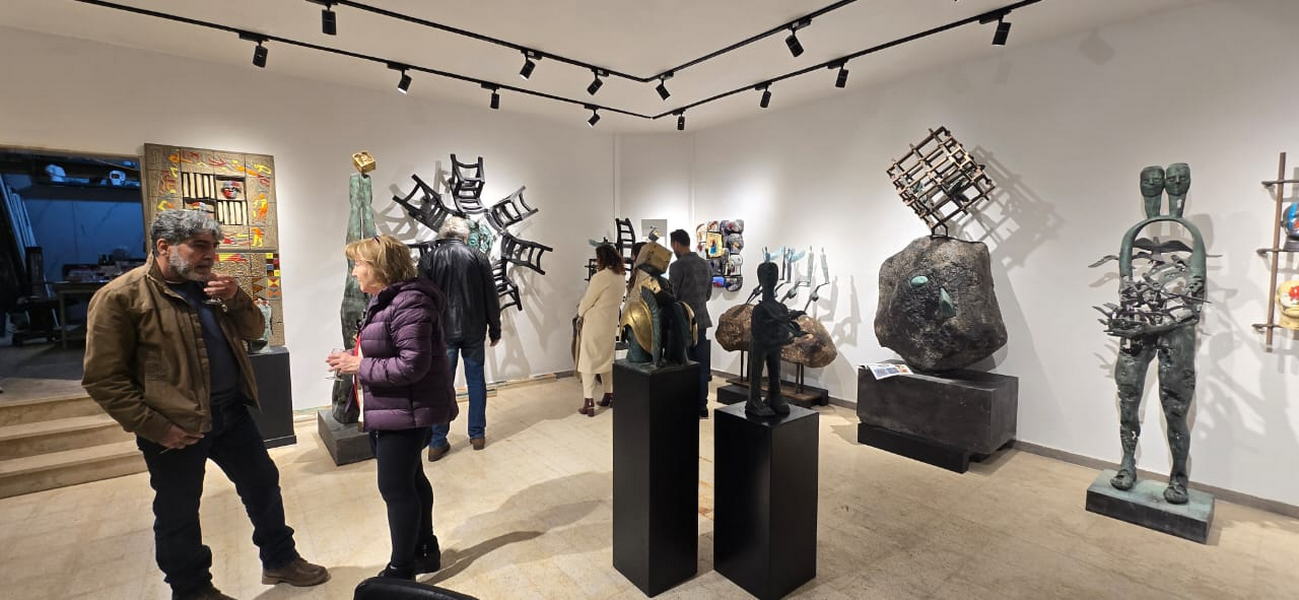
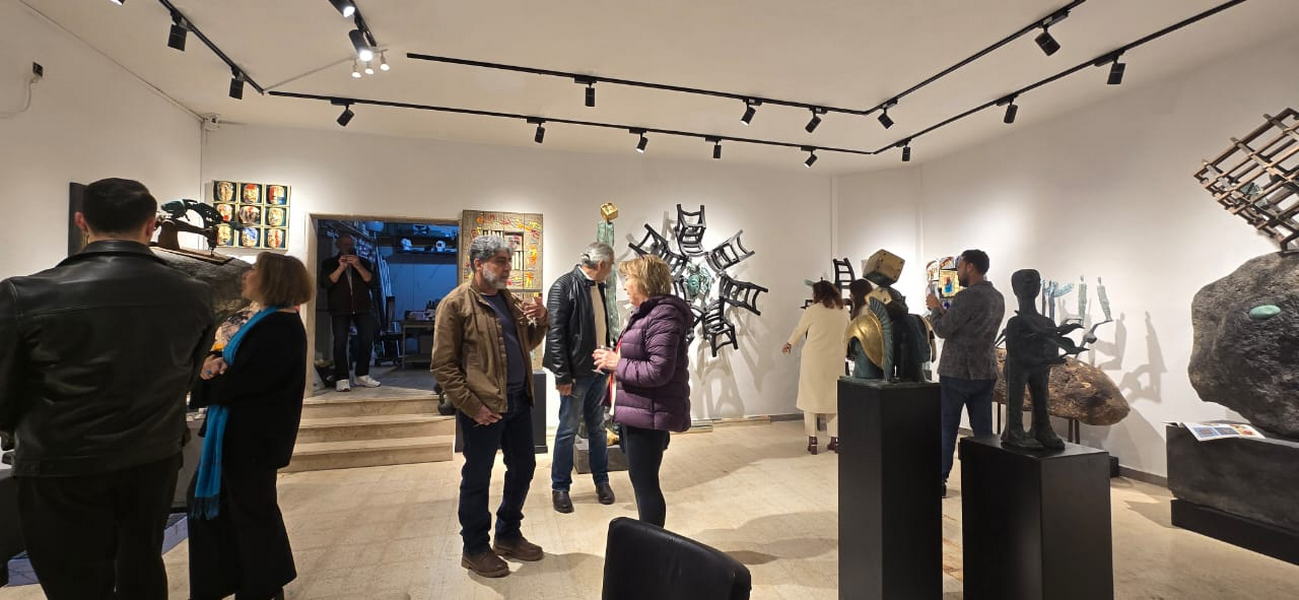
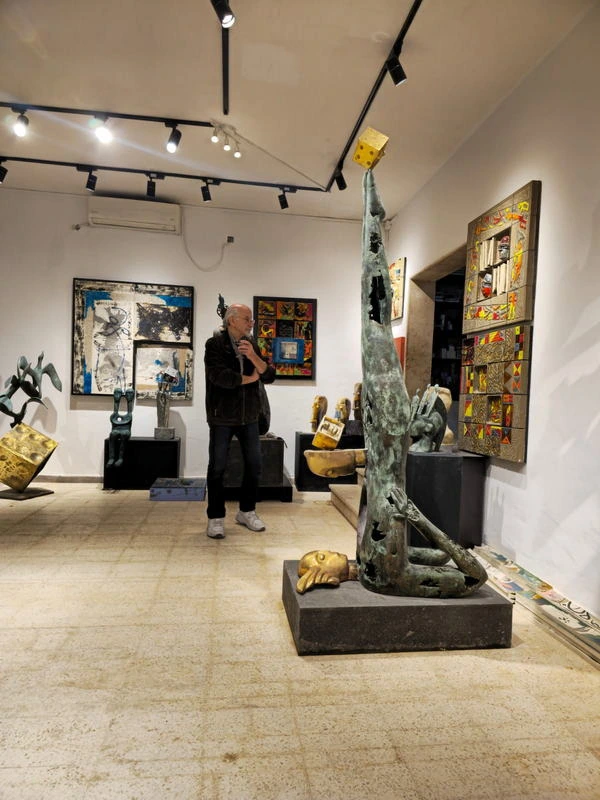
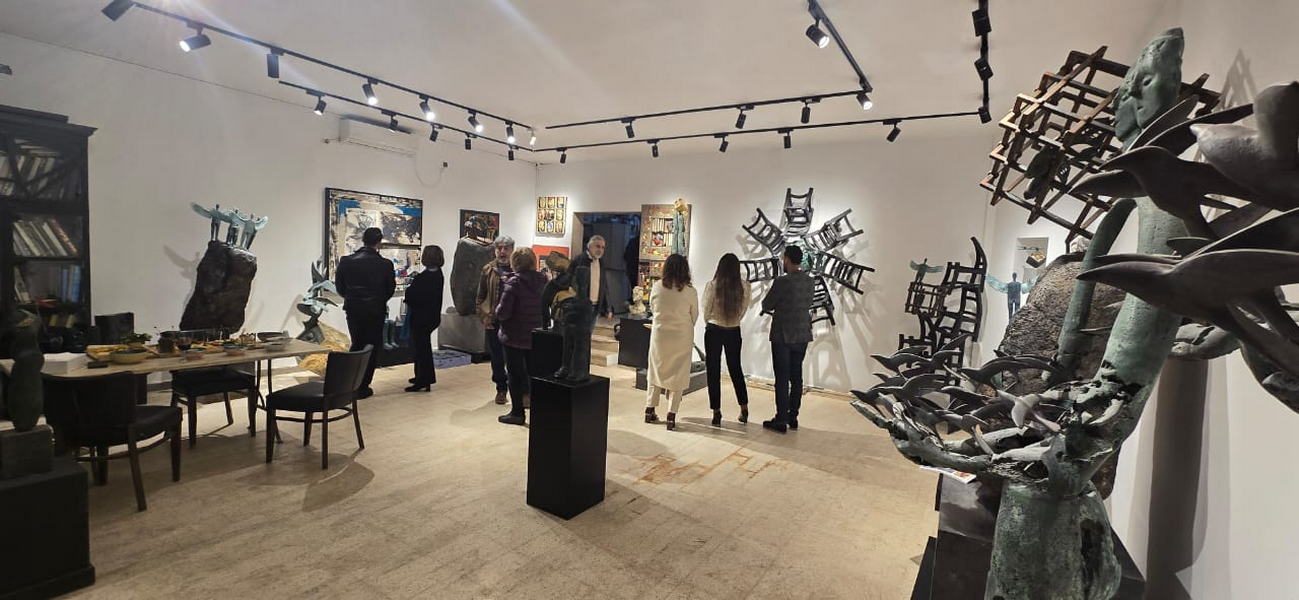
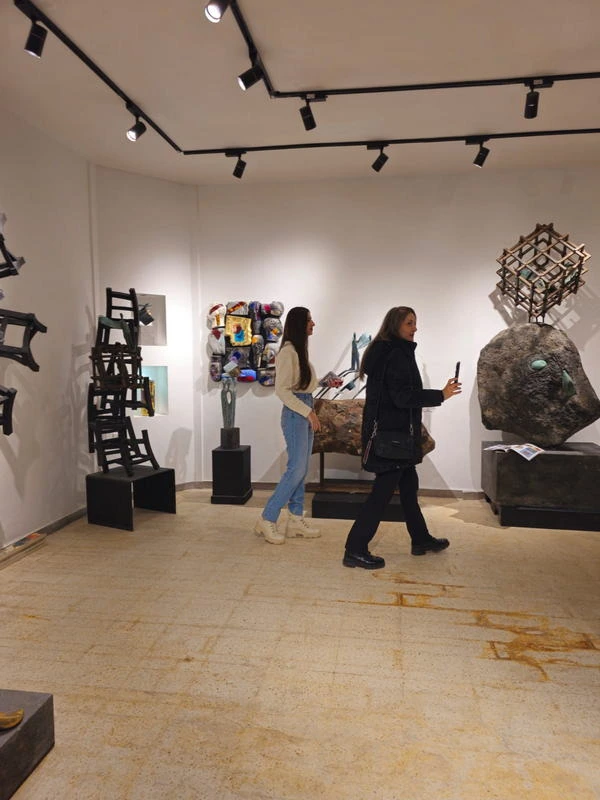
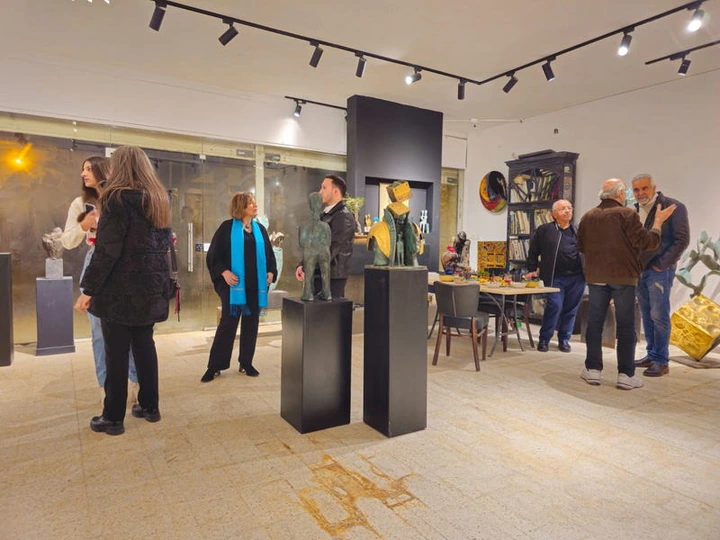
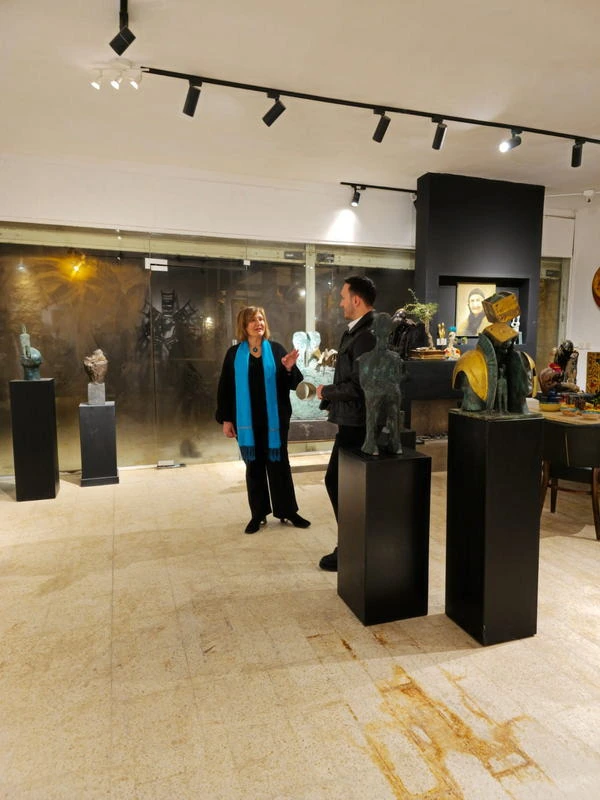
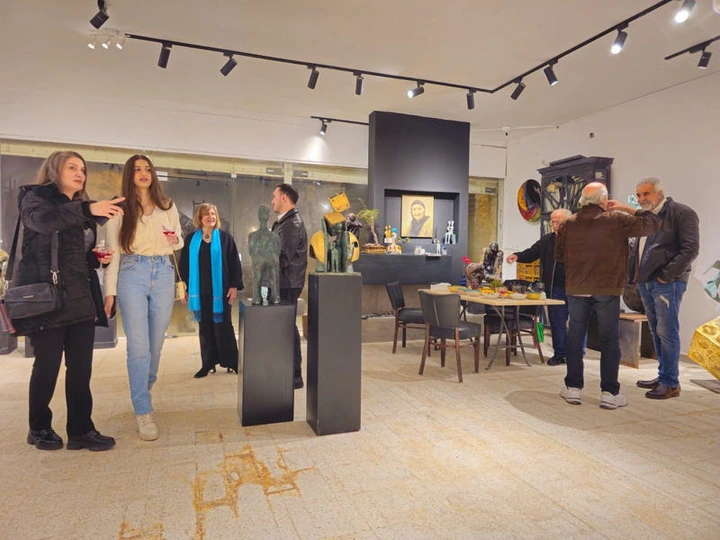
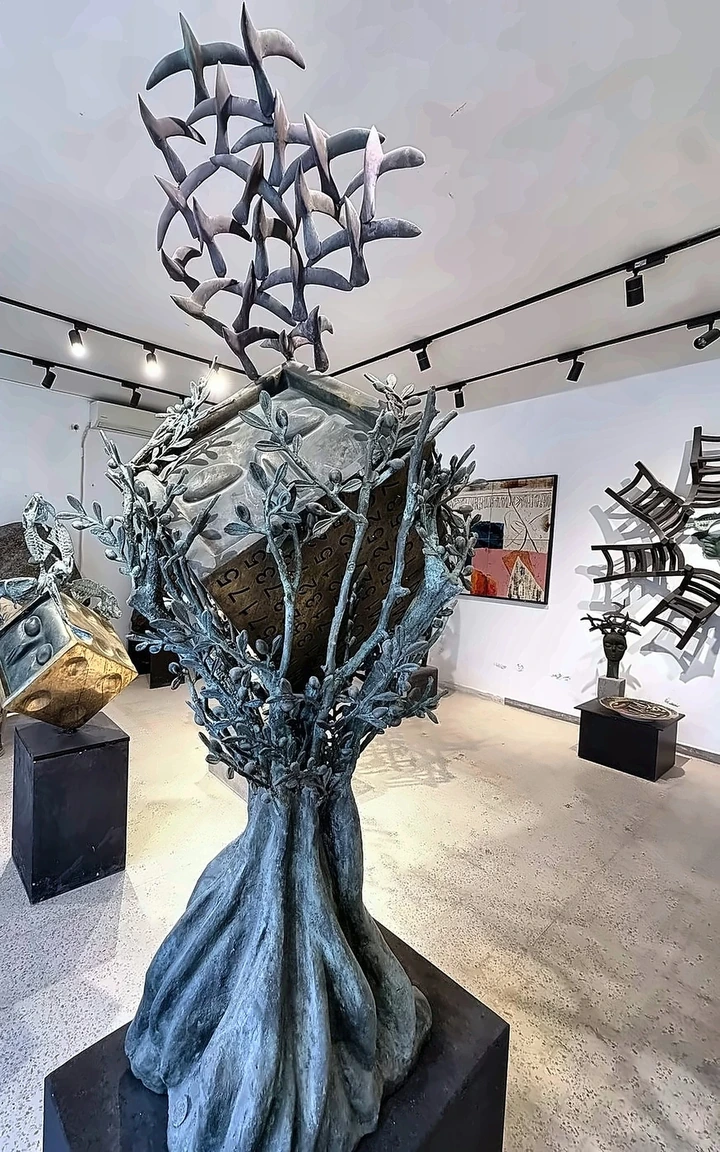
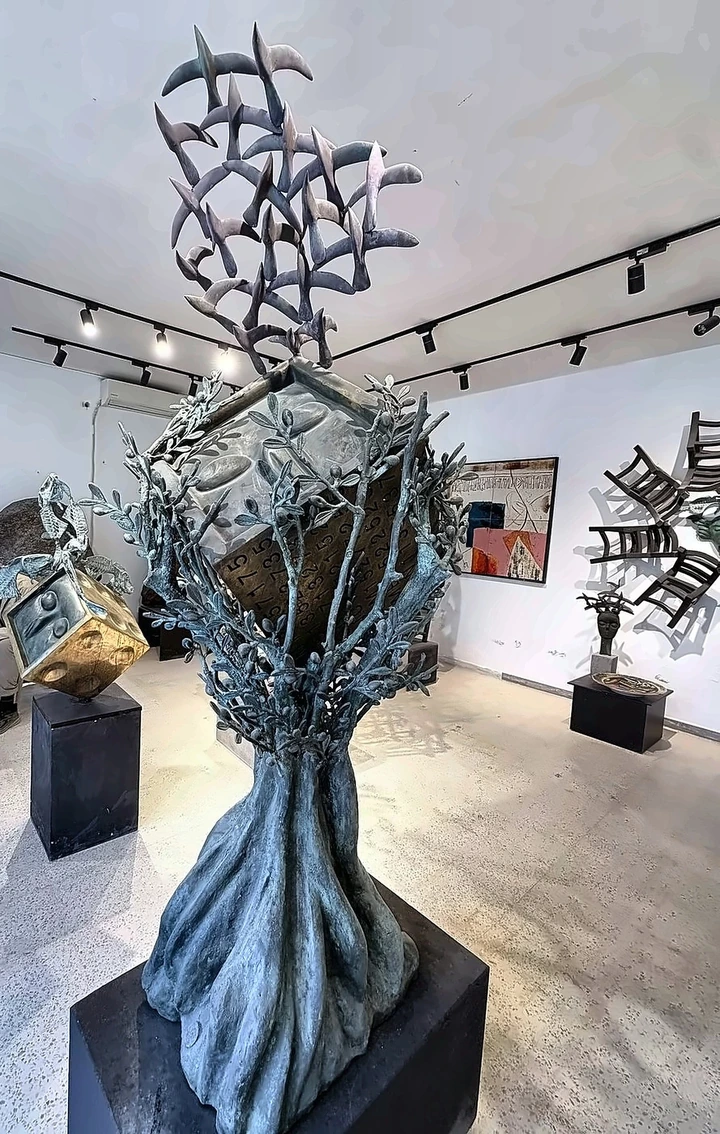
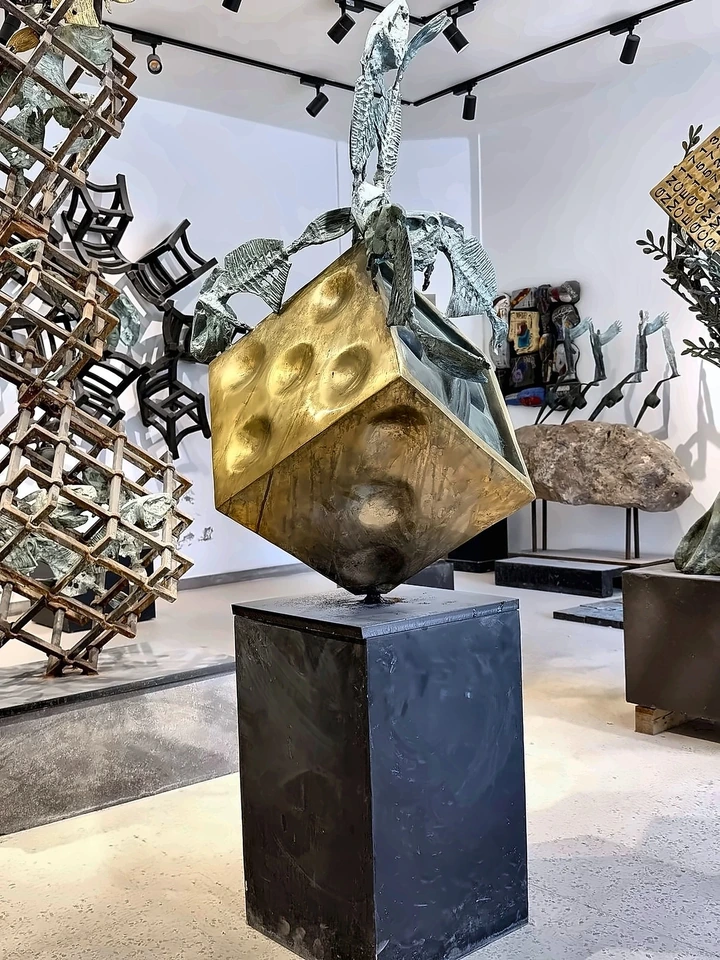
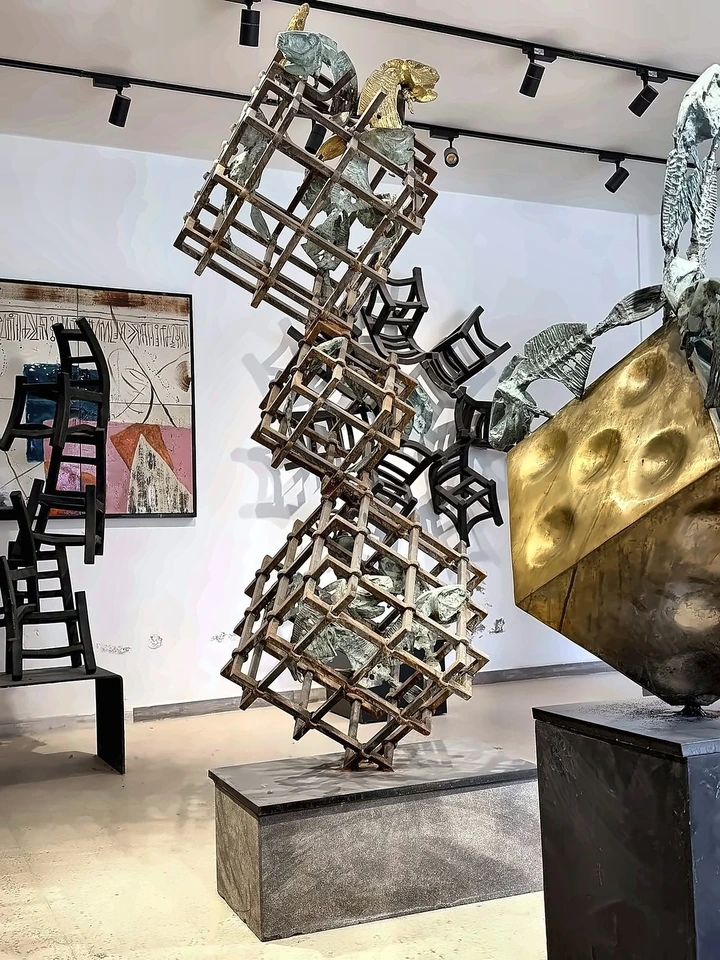
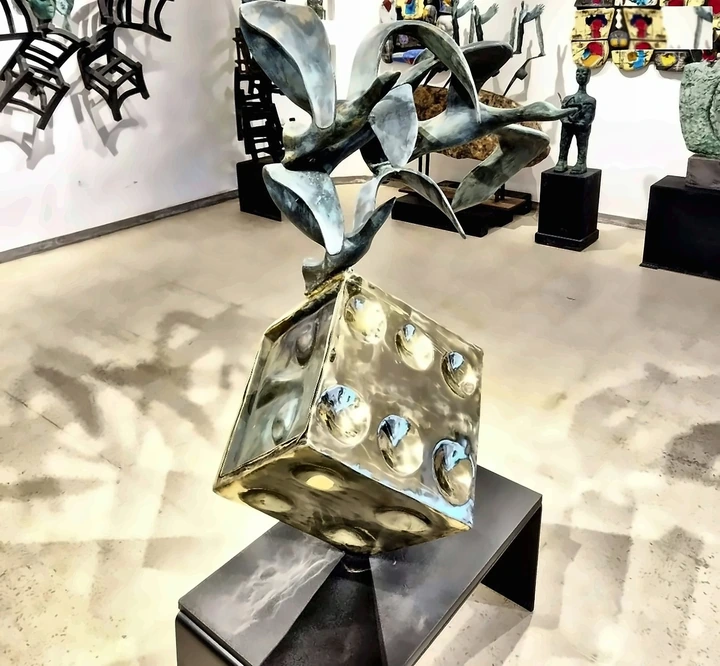
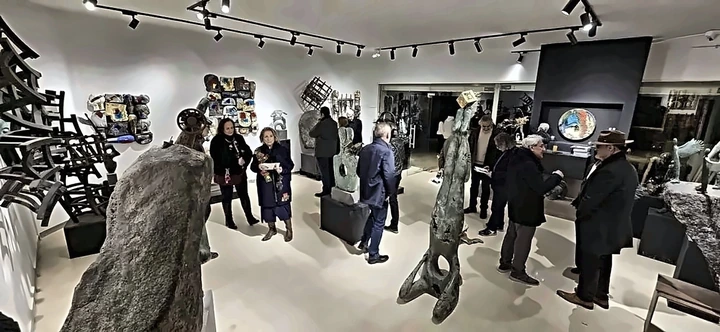
InterContinental Jordan, Amman.
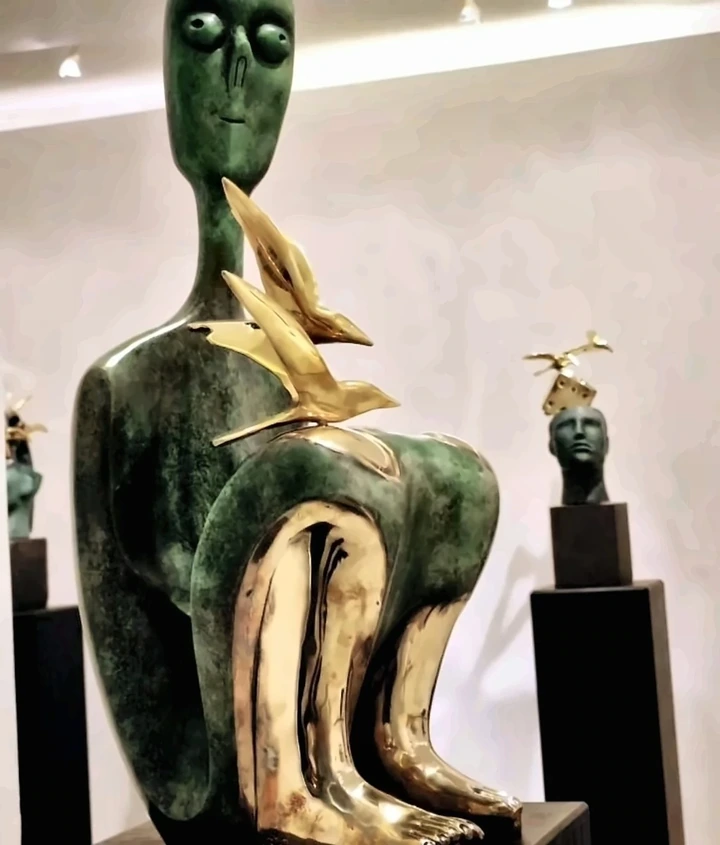
The first permanent hall. Five years before the second one opened across the city.
The rooms and the works
Select any photograph to view it in full. Original framing and resolution are preserved.
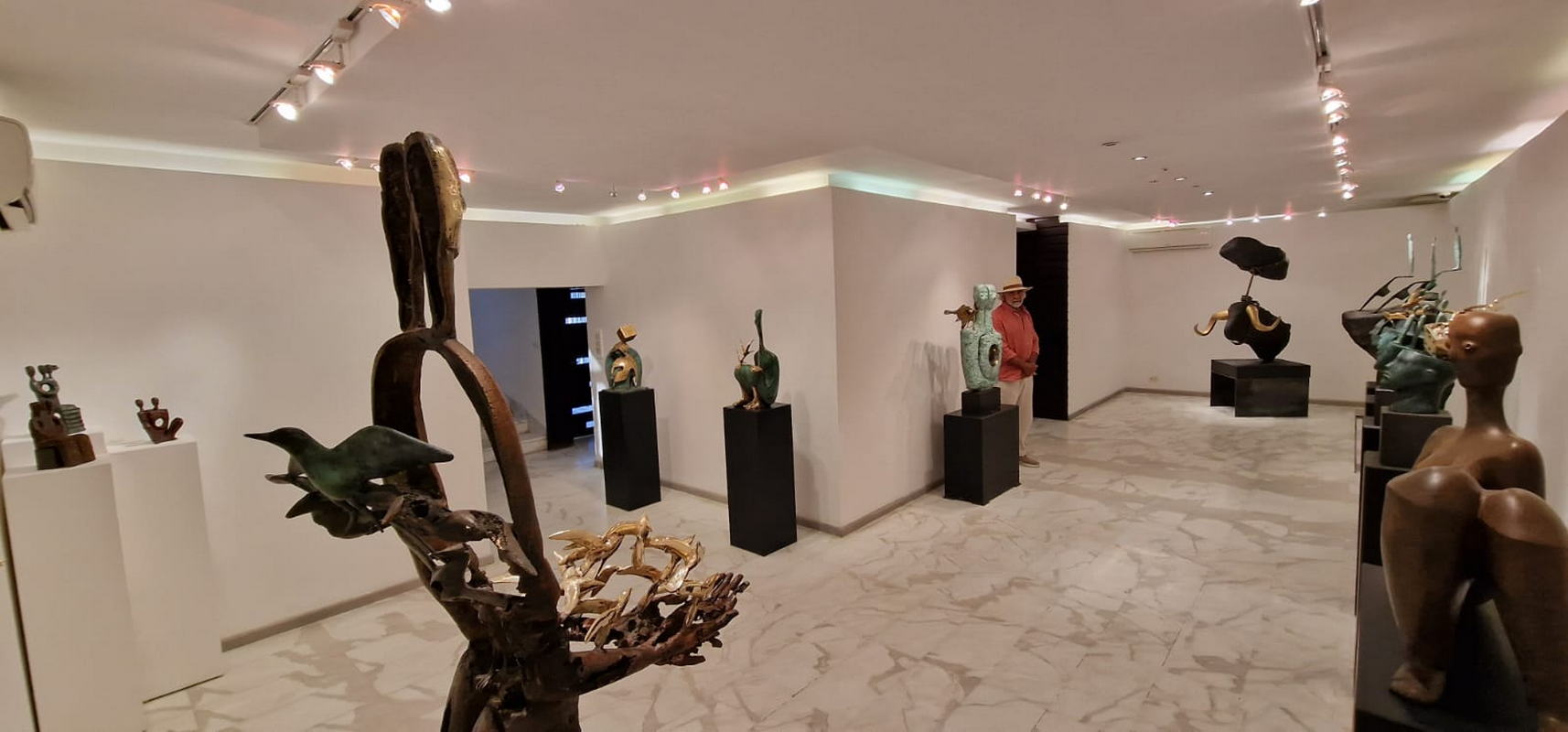
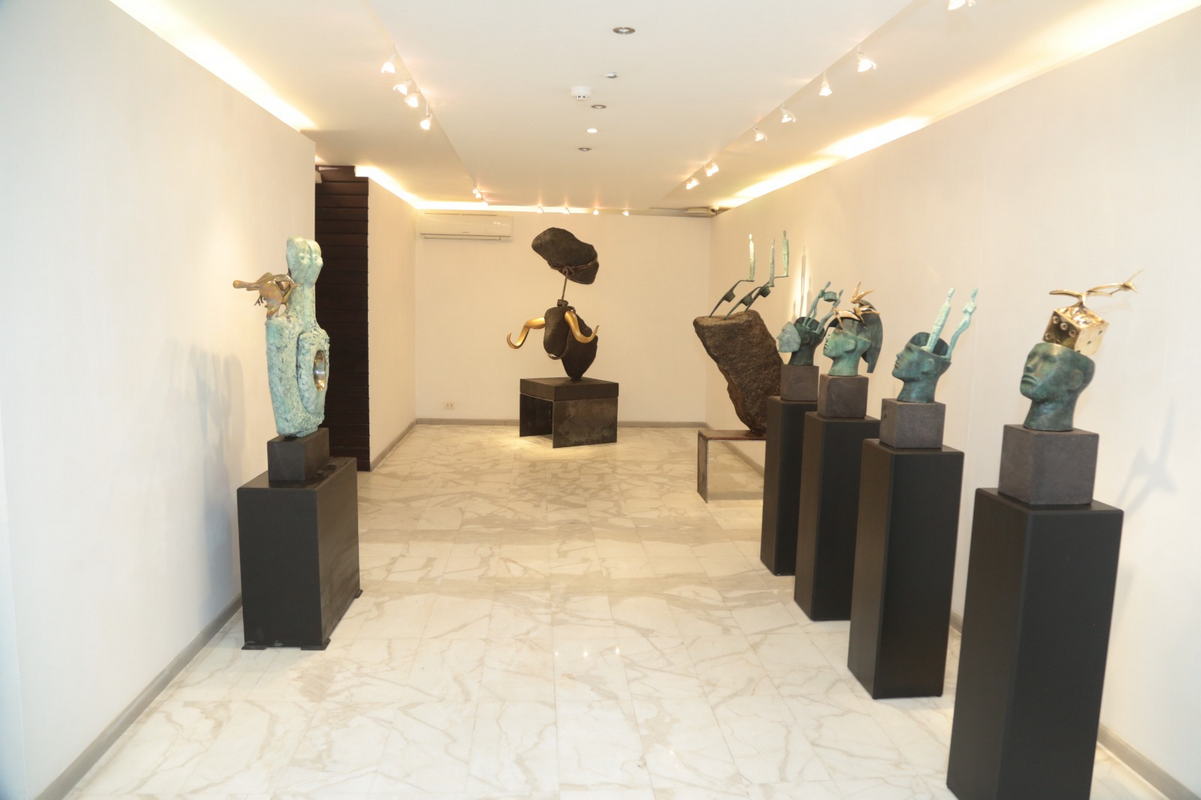
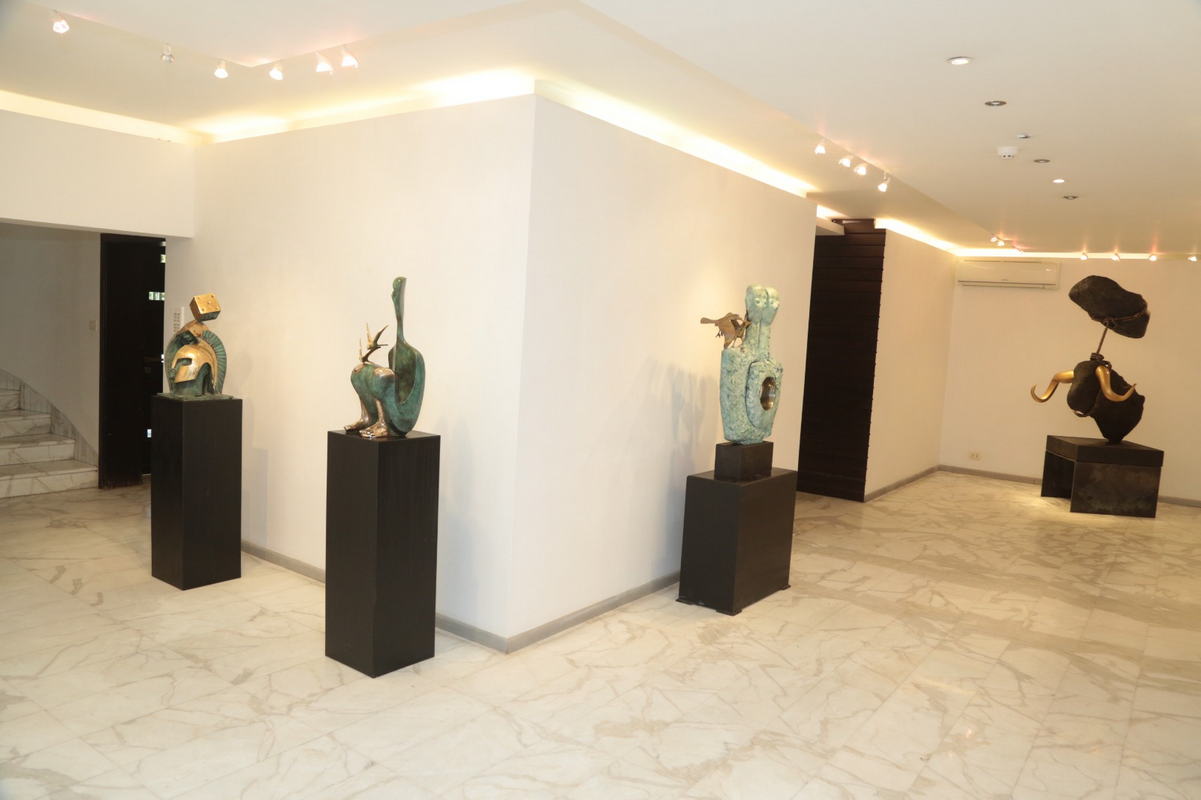
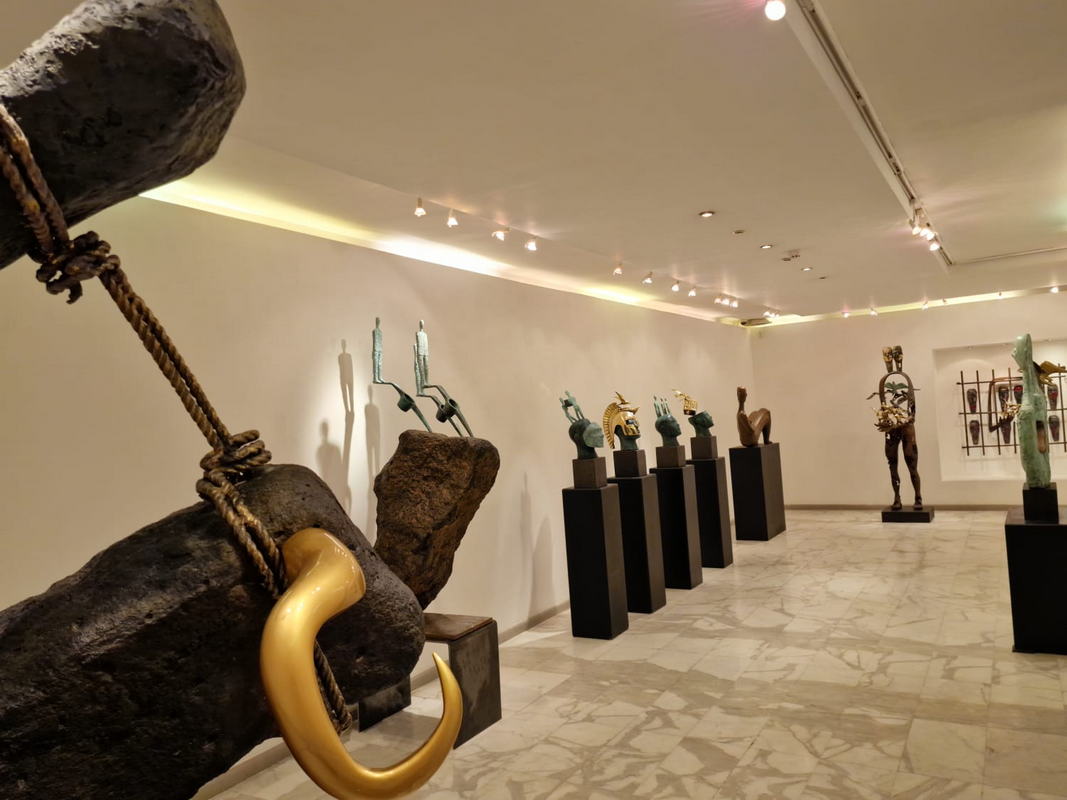
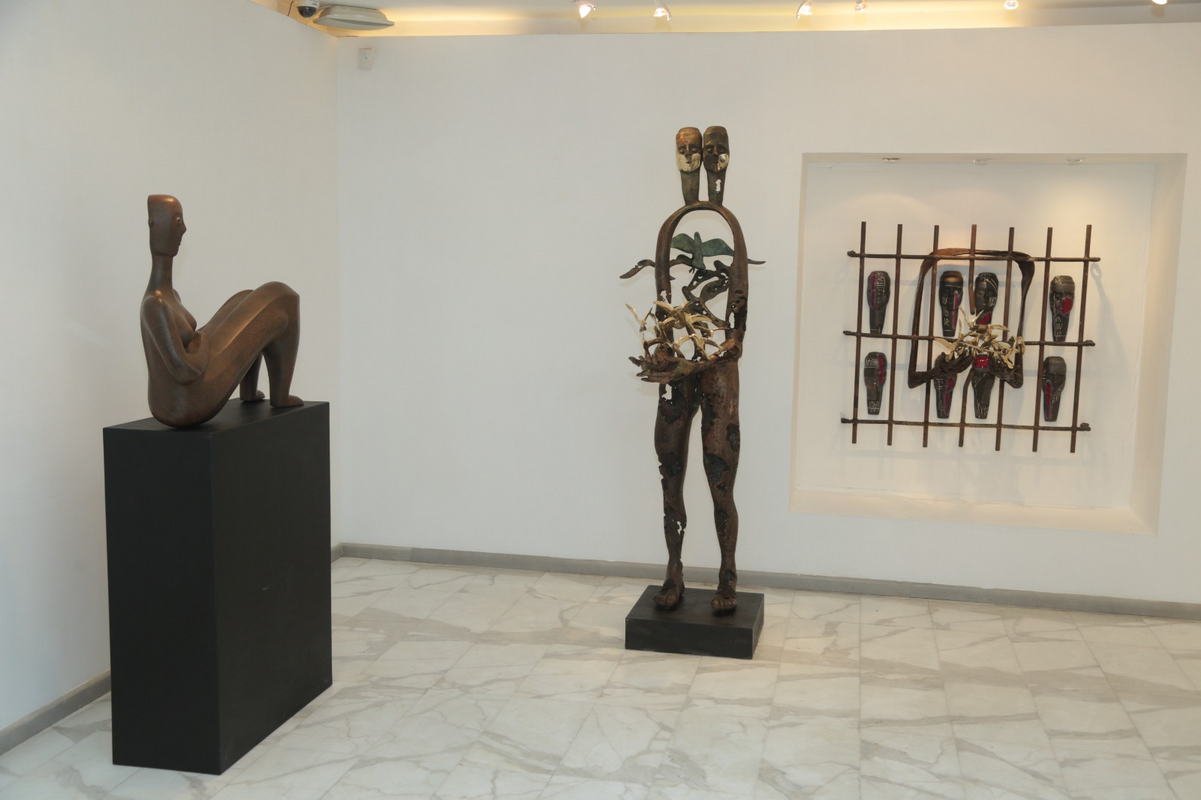
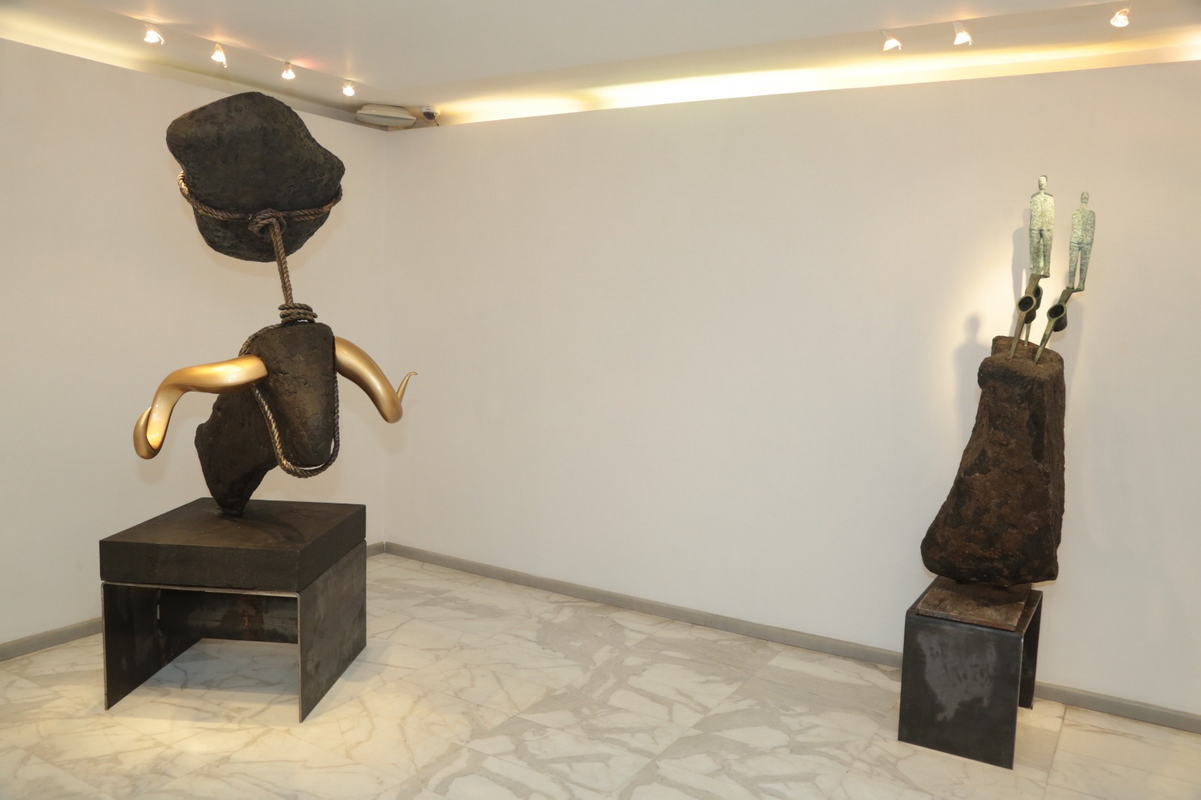
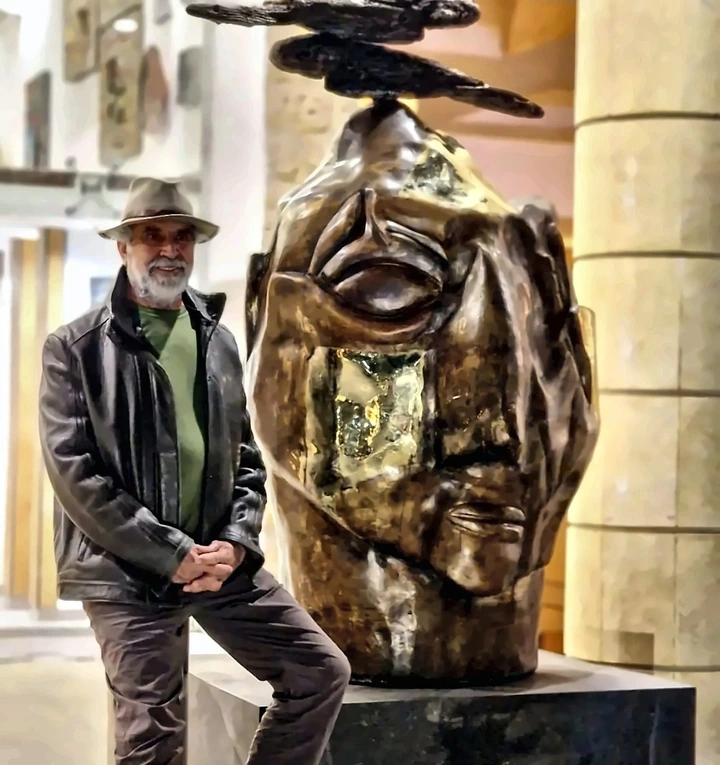
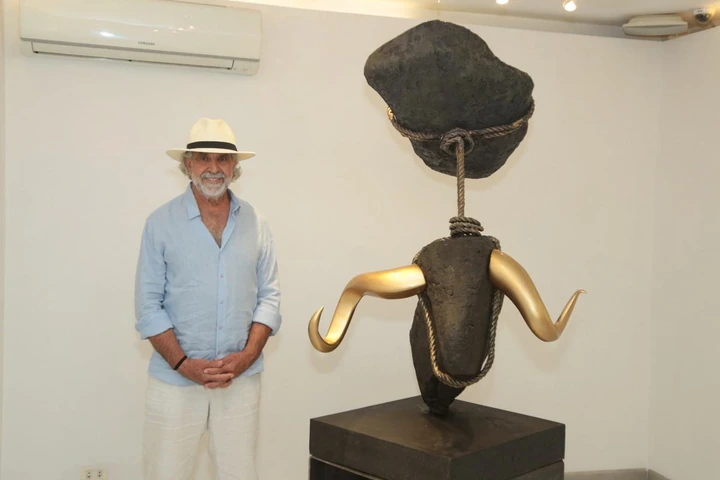
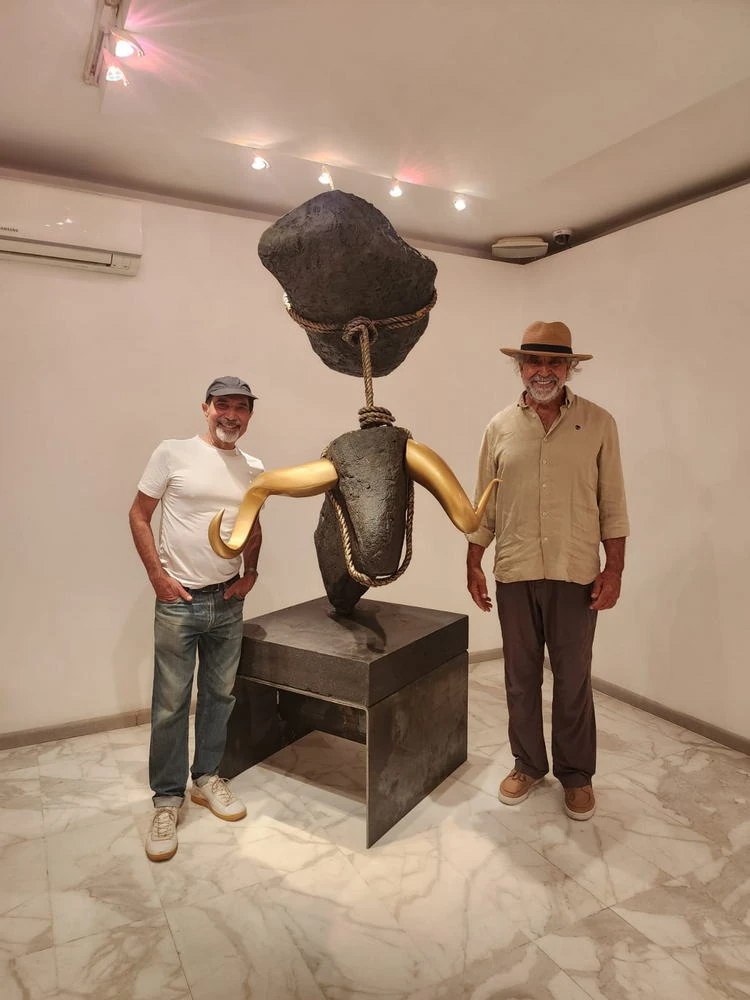
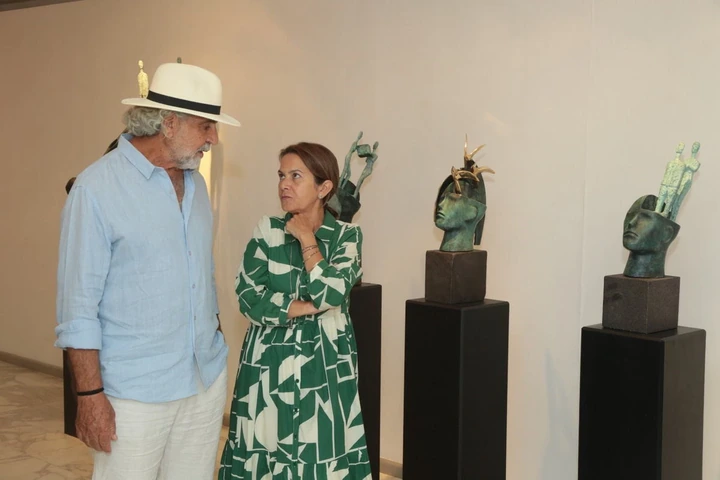
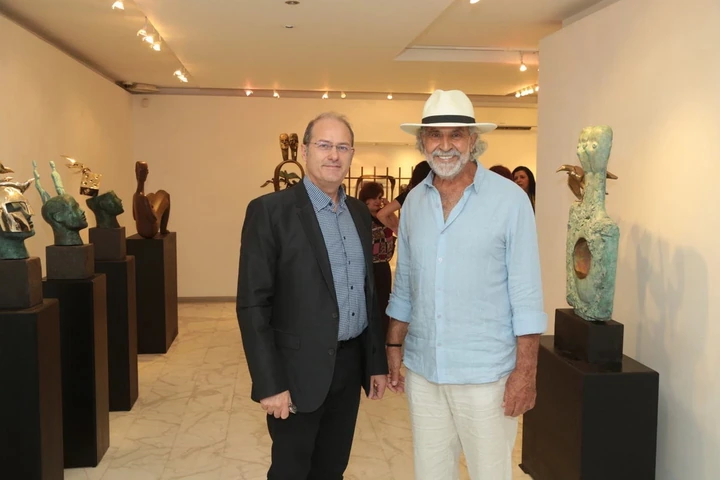
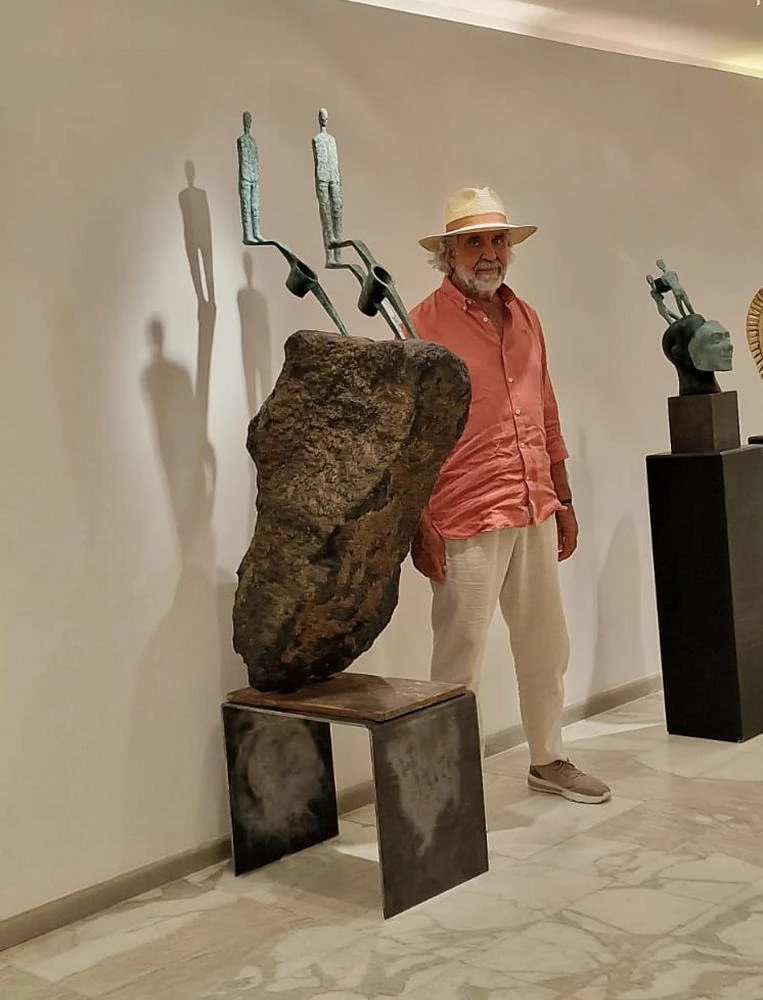
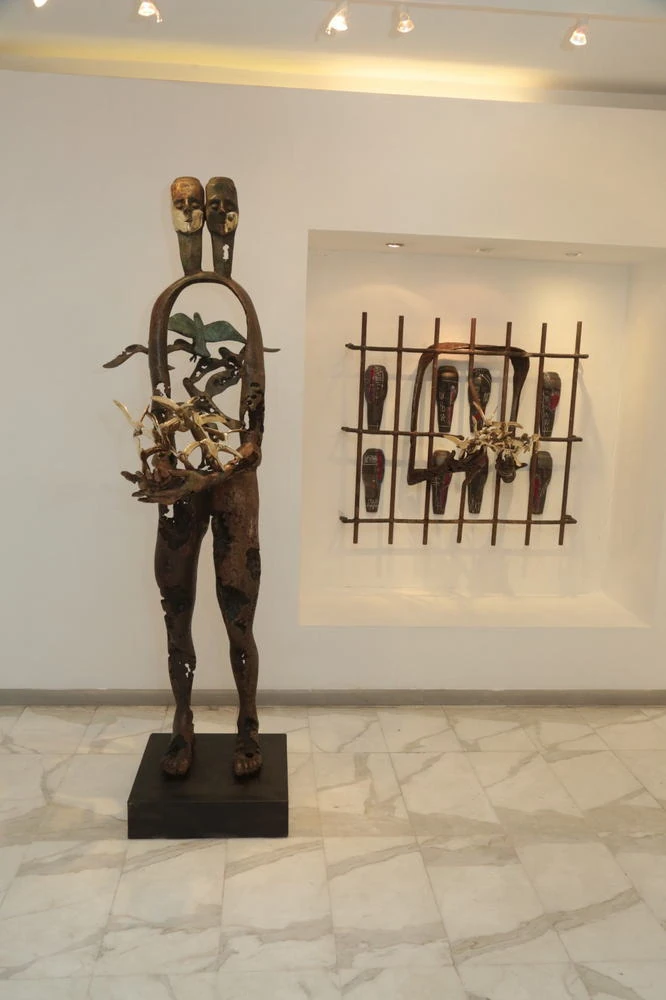
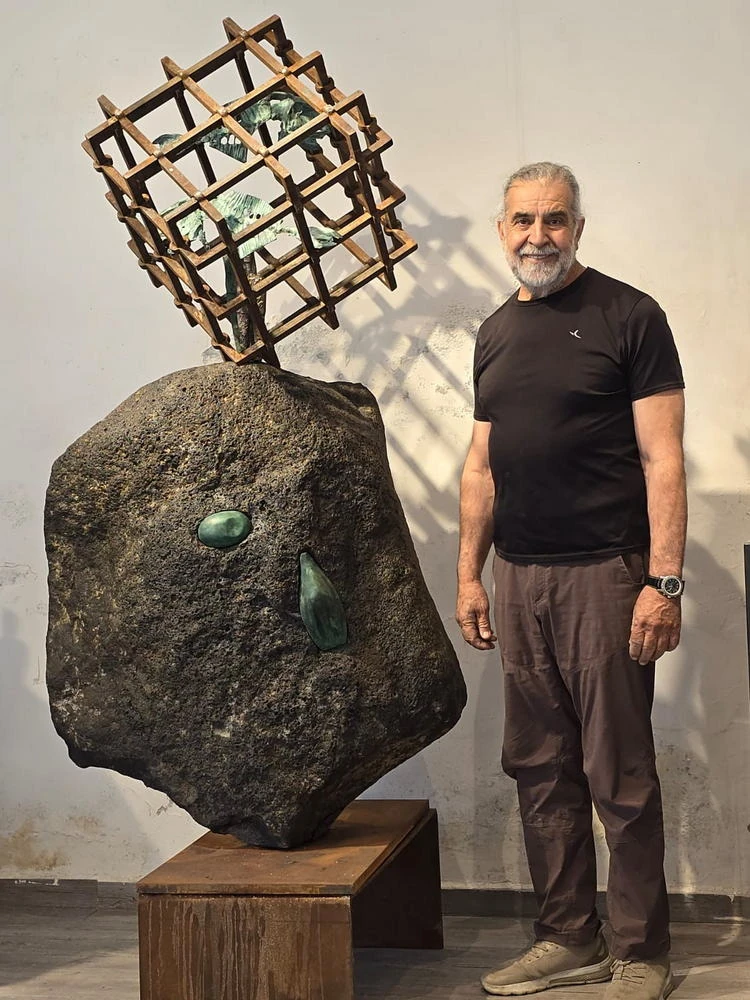
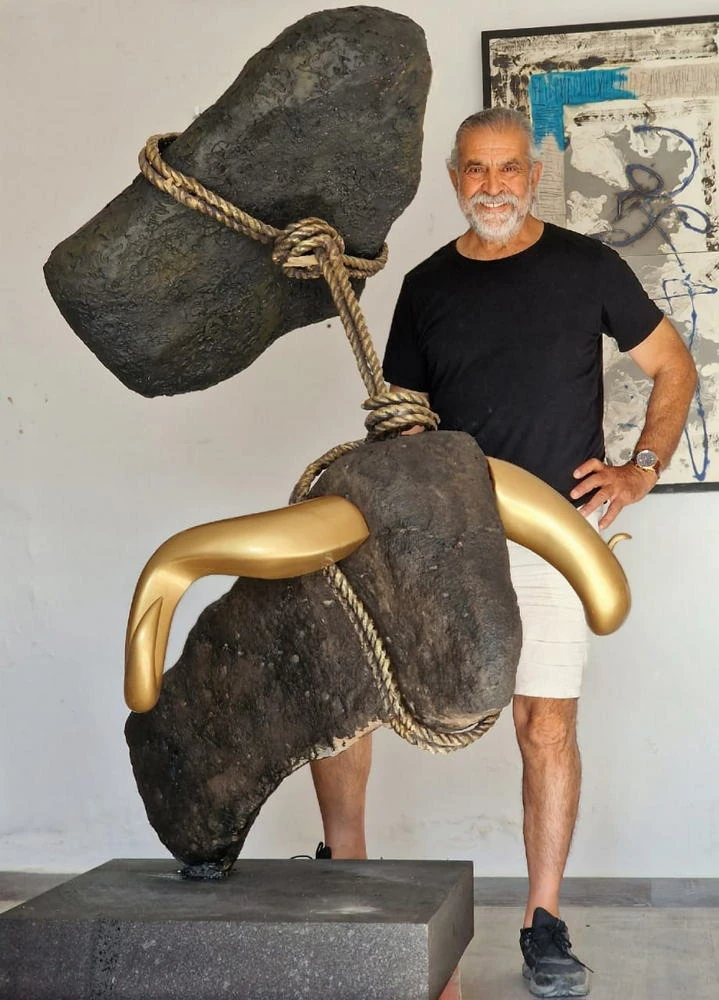
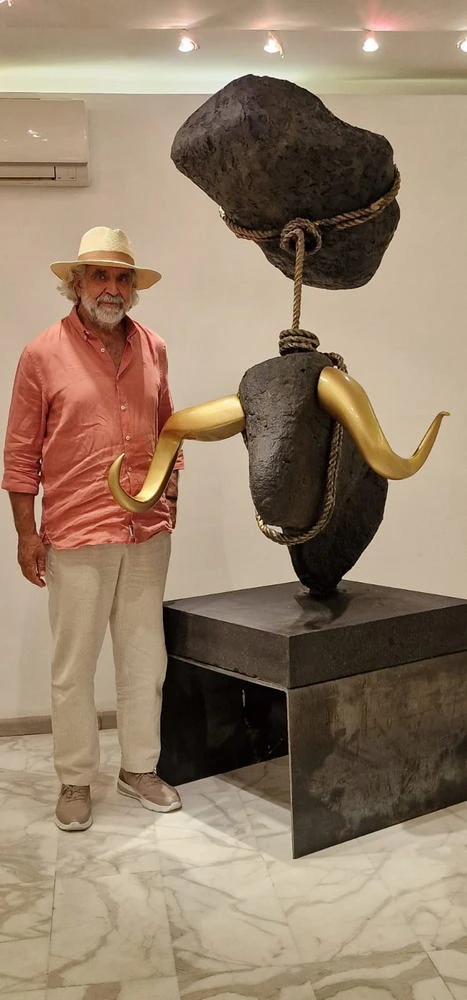
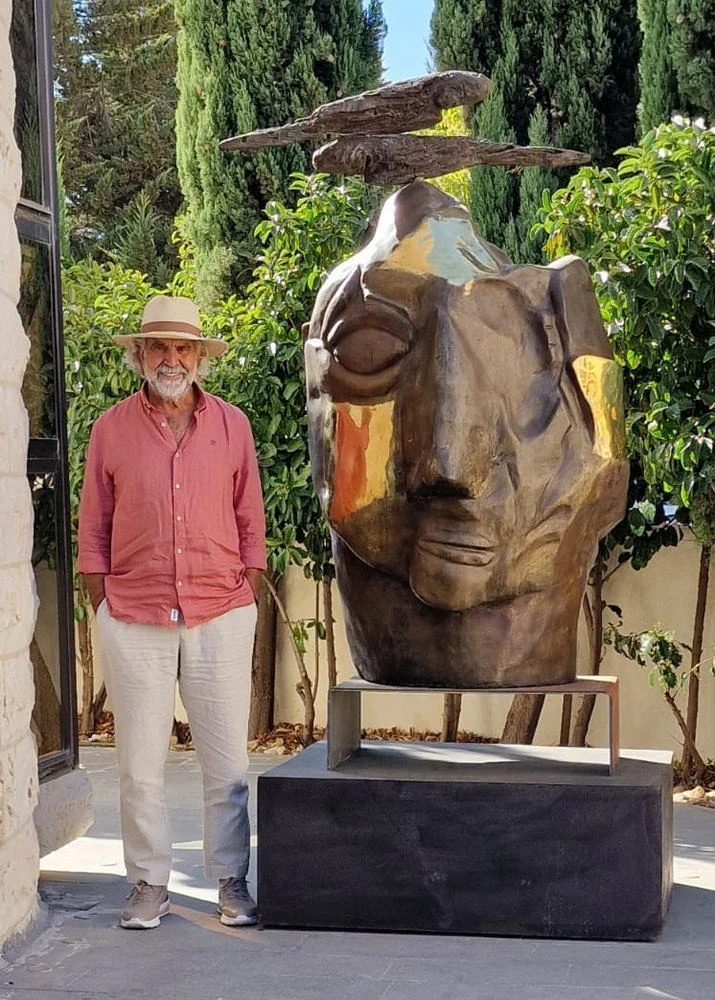
Stone that anybody can walk up to.
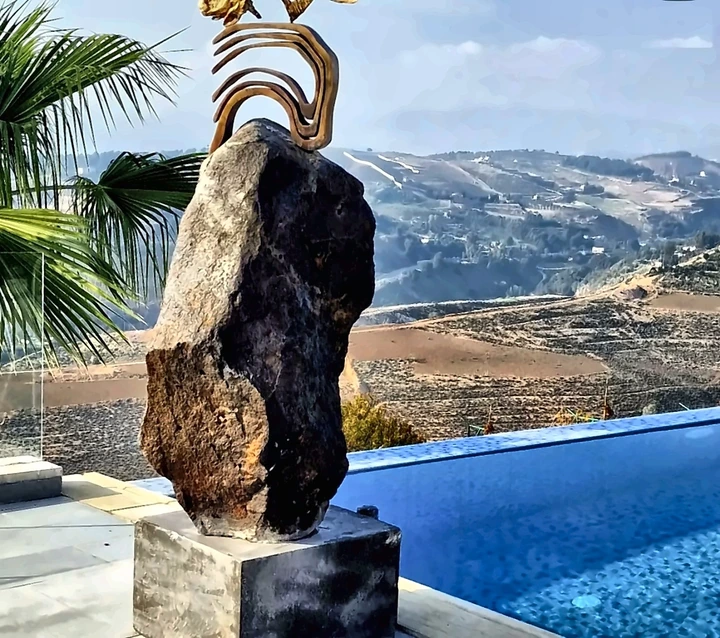
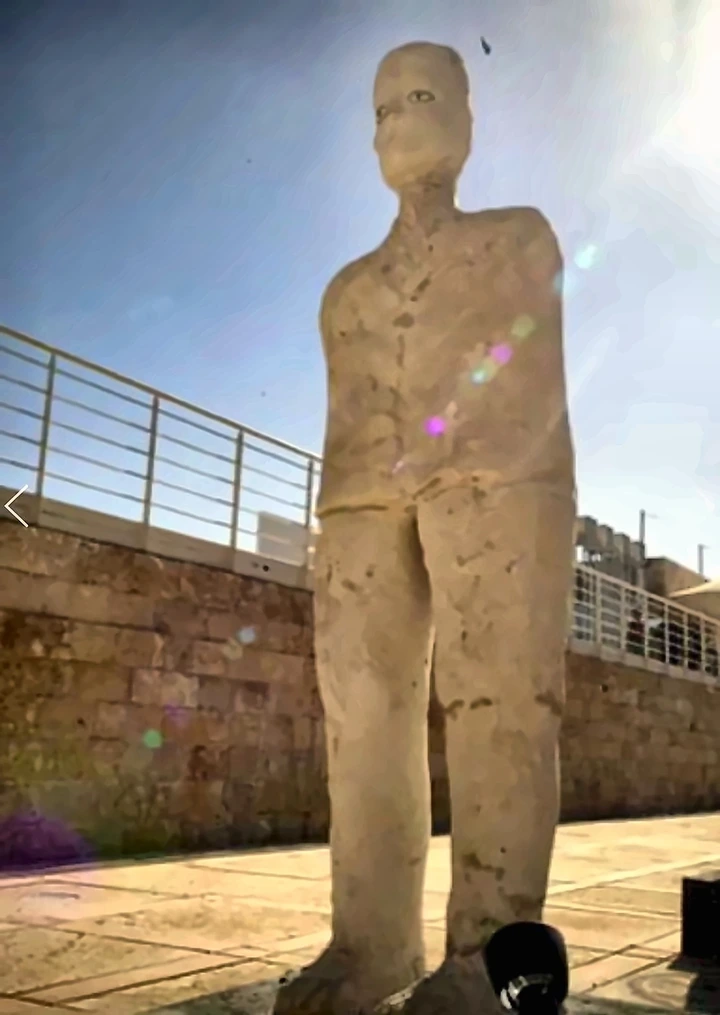
Single works, permanently placed.
Across Jordan his work stands one piece at a time — in banks, hotels, institutions and public buildings. Most of it has never been listed anywhere.
Virtual galleries
Six rooms you can walk through from anywhere — two permanent halls in 360°, three virtual showrooms, and the Nofa House installation.
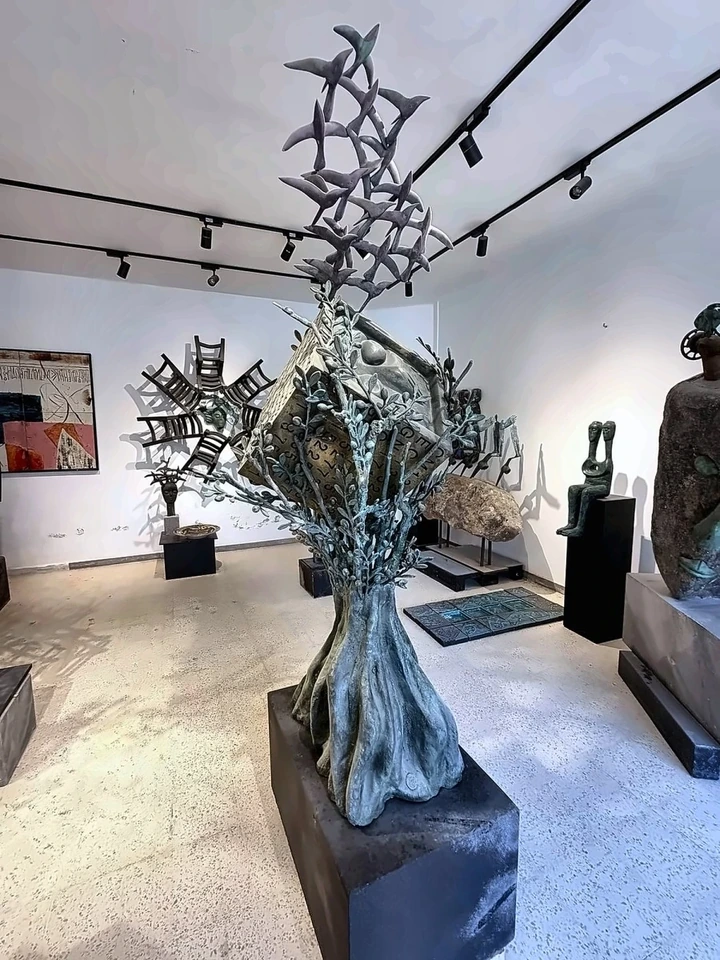 Permanent hall · 360° tourAl-Hussein Gardens Cultural VillageOpens in a new window
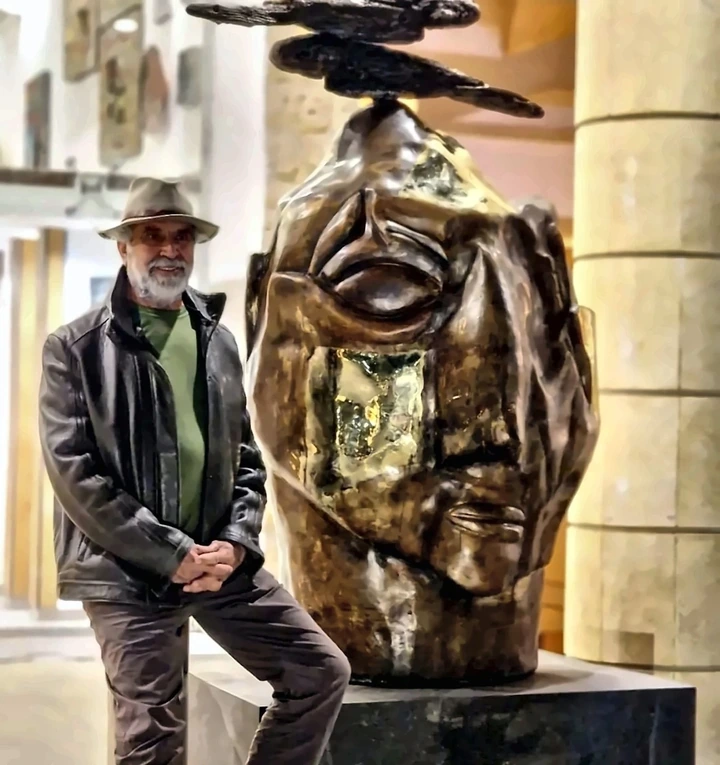 Permanent hall · 360° tourInterContinental JordanOpens in a new window
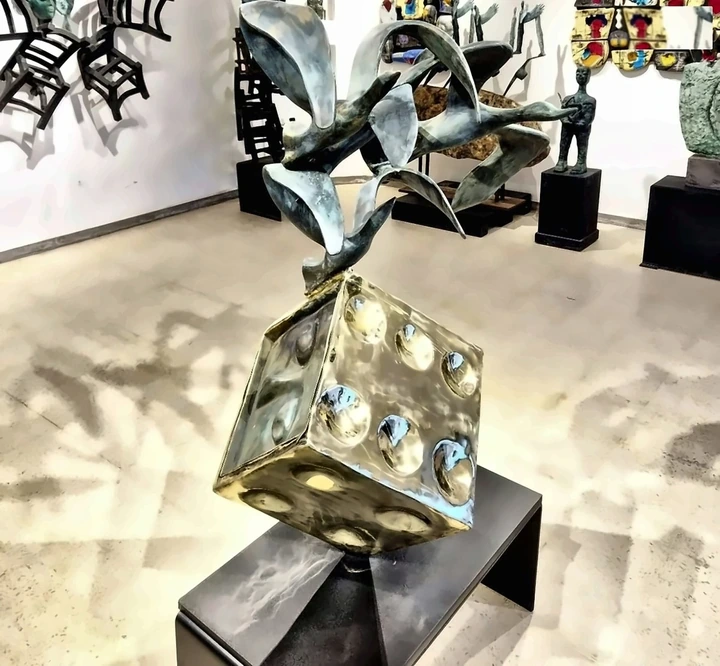 Virtual galleryShowroom oneOpens in a new window
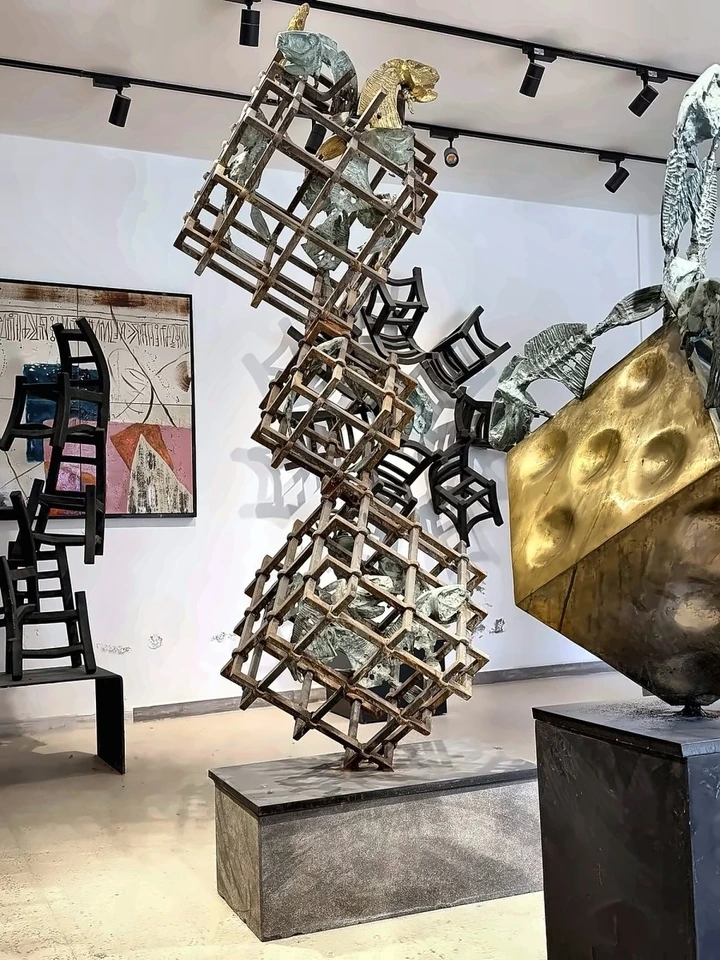 Virtual galleryShowroom twoOpens in a new window
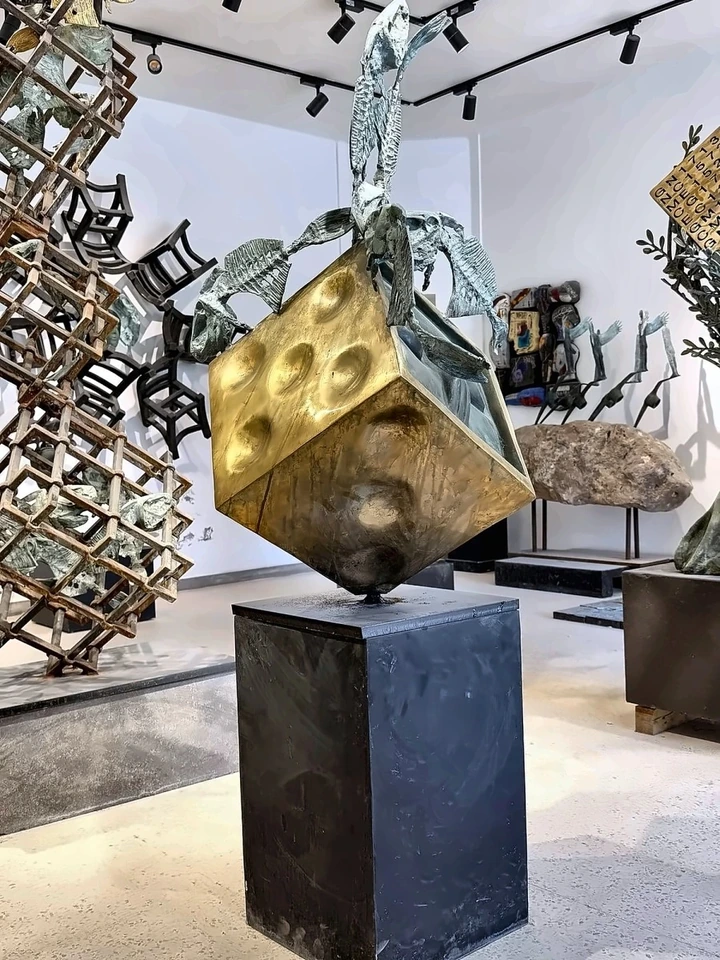 Virtual galleryShowroom threeOpens in a new window
 One work, permanently installedNofa House, Jabal AmmanOpens in a new window
Locations, commissioning bodies and installation dates are being confirmed one by one. Where a work is in private hands it is listed only with the owner’s agreement.
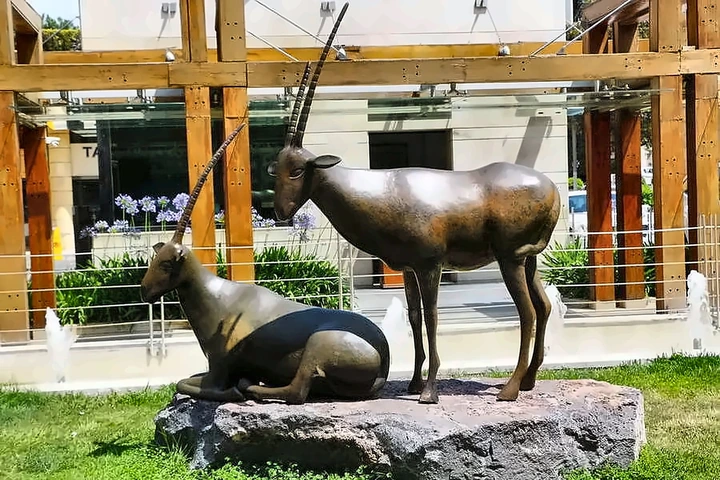
One oryx on its feet, one lying down, on a block of basalt.
Almost everything else he makes is a figure reduced to its idea. This is an animal, observed — the shoulder, the fold of the leg, the long ribbed horns — set on raw stone in a courtyard where people walk past it.
المها, the Arabian oryx. It is in the record at 150 × 40 × 140 cm, from his own caption. This is the first photograph of it.